
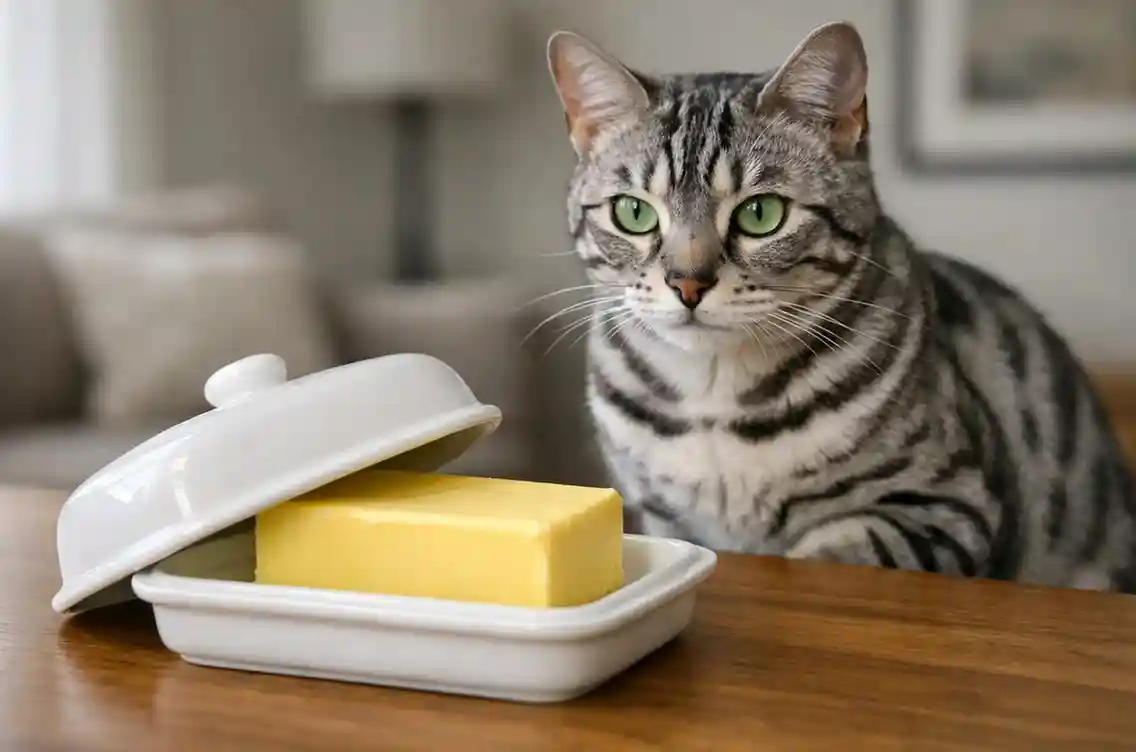
Can cats eat butter safely?
I notice this question as it frequently arises where butter is widespread, inviting, and usually accessible to a cat. Butter is not a poison, but it is not suitable to the digestive system of a cat, and does not bring any particular nutrition value. Even a little of it can interfere with the digestion process and promote poor eating patterns.
My name is Dr. Elara Vance, who is an American author with primary emphasis on evidence-based, terse pet nutrition information. I use veterinary science, personal experience, and useful tips to make sure you make a confident and informed decision about the daily care of your cat.
In this blog, I explain butter’s effects on cats, possible risks, accidental exposure, and healthier alternatives so you know exactly what to do and what to avoid.
Is Butter Safe For Cats?
Butter might not be harmful, but to cats, it is irrelevant and has no nutritional value. Although it is not toxic, it will not fit the biological needs of a cat and can cause digestive and weight-related issues, causing no harm when provided on purpose.
Not Toxic, Still Unsafe
Butter is not going to kill your cat, and the lack of safety is not toxicity. It lacks the required nutrients that cats require and can disrupt the digestion, and this is why it is the wrong food, in spite of its possible harmlessness.
Poor Nutritional Value
Butter is mainly fat and does not contain any special needs of cats in terms of protein, vitamins, or minerals. Feeding it takes the place of space that must be occupied with nutritionally complete and meat-based foods.
Digestive Sensitivity
Majority of cats are not able to digest dairy. A tiny portion of butter can cause diarrhea, gas or abdominal pain as a result of lactose and high level of fats.
Long-Term Health Concerns
The continuous consumption of butter can cause weight increase and strain the pancreas. In the long run, this increases the risk of obesity related conditions as well as digestive disorders.
Check Also: Pet Toxin Checker and First Aid Guide
Why Cats Are Attracted To Butter
Butter doesn’t attract cats by accident. Its smell, texture, and novelty trigger natural instincts, not nutritional needs. I explain below why your cat notices butter instantly and why that interest has nothing to do with what their body actually requires.
Strong Fat Aroma
Butter releases a dense, animal-fat scent that cats detect quickly. I see this response because cats are biologically wired to notice fatty smells, which signal energy-rich food, even when that food offers no real benefit to their health.
Creamy Licking Texture
The soft, smooth texture of butter encourages licking behavior. I notice cats enjoy foods that coat the tongue briefly, creating sensory satisfaction. This response is physical comfort, not hunger, and it fades once the novelty disappears.
Curiosity Toward Human Food
Cats naturally investigate whatever you eat. I explain this as learned curiosity, not craving. When food appears important to you, your cat assumes it may be valuable, even if it does not suit their digestive system.
High-Calorie Instinct Response
Cats evolved to seek calorie-dense food sources. Butter triggers this instinct because it is concentrated fat. I want you to understand this reaction is automatic and does not reflect what your cat truly needs to stay healthy.
Behavior Symptom-to-Resource Matcher
Why Cats Can’t Handle Dairy
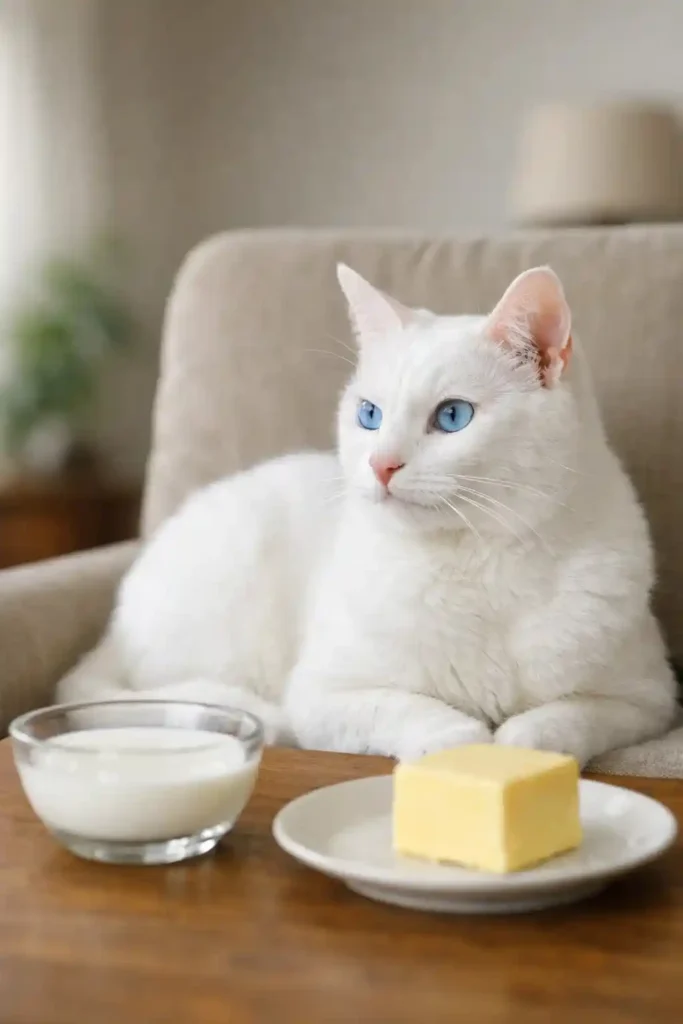
The majority of cats are unable to digest milk products, even small portions. Their body structure is carnivorous and does not support milk products. Butter may seem to be something inoffensive, but because it is a dairy product, it is not readily digested by a cat.
Loss Of Lactase Enzyme
When kittens grow, they develop lactase to digest milk, which fades away with age. In the absence of sufficient lactase, dairy sugars are not digested, causing intestinal discomfort, diarrhea, and gas following the intake of butter or other dairy items.
Digestive System Limits
The digestive system of a cat is short and adapted to animal protein. The dairy fats and sugars fail to traverse the gut in correct preferences, leading to fermentation. The procedure might normally lead to bloating, abdominal cramps, and bowel irregularities.
Common Physical Reactions
Milk causes cats to develop vulnerability towards diarrhea, vomiting or stomachache. The remaining may be restless or bored since they are not at ease. The reaction differs, yet frequent exposure raises the possibility of observable digestion problems.
Sensitivity Differences
Cats do not respond identically to dairy. Some respond instantly, and others respond several hours later. Sensitivity is affected by age, gut health, and overall diet, and dairy is an unpredictable and unnecessary risk to cats.
Check Also: Food Label Analyzer (Dry Matter Basis) Calculator
Butter Risks For Cats
Butter might appear innocent, yet it is plotting against the health of your cat. Its richness in fats and dairy can overload the digestive system, metabolism, and cause preventable health problems in case it is provided deliberately or excessively.
Excess Fat Intake
Butter is near pure fat that is easily overloaded by the digestive system of a cat. Frequent exposure causes calorie over load, gaining weight, less activity, and metabolic stress over time, that curtails the healthy lifespan of your cat.
Digestive Upset
Cats are not good in processing dairy fats. Butter may lead to soft bowels, diarrhea, gas, and stomach pain. Even minor amounts can aggravate delicate stomachs and cause dehydration in case of ongoing digestive upset.
Pancreatic Stress
The pancreas works harder than projected by high-fat foods. Butter is an inflammatory agent and causes one to be prone to pancreatitis. This condition is followed by pain, loss of appetite and being weak and immediate veterinary attention is required.
Obesity-Related Issues
Frequent intake of butter contributes to overweight conditions. Being overweight is a burden on the joints, a hindrance to movement and predisposes to diabetes and heart failure especially in indoor or less active cats.
Check Also: Pet Quality of Life (QoL) Assessment
Can Kittens Eat Butter?
Kittens grow fast, and their organism demands certain food. Butter may seem not so bad but it does not support a healthy growth. It can affect digestion, appetite and absorption of nutrients even in small amounts even at this critical growth stage.
Immature Digestion
The digestive system of a kitten is still in its growth, and the system is very sensitive. Butter contains a lot of fat which cannot easily be absorbed and may easily result in loose stool, stomach upsets or vomiting, even in small amounts.
Rapid Dehydration Risk
Kittens acquire digestive disorders faster as compared to adult cats. Butter is also a source of fatty food known to result in diarrhea that may lead to dehydration and energy loss may affect general growth and recovery.
Disrupts Balanced Nutrition
Butter is a source of empty calories that lack both protein, vitamins, and minerals. When they are fat with food, kittens may eat less of their usual rations, which retards muscle development and weakens the protective effect of the immune system.
Poor Habit Formation
Kittens are taught to find dangerous things through early exposure to human food, such as butter. This escalates counter surfing, food stealing, and long term feeding problems that are hard to rectify as your cat grows.
Check Also: Pet Age to Life Stage Calculator
If Your Cat Eats Butter
Incidental exposure to butter is frequent and typically occurs rapidly. It is difficult to hurt by a lick, but in large amounts it may disarrange digestion. What is important is the amount of food eaten, your cats sensitivity, and how soon you recognize symptoms.
Small Butter Lick
A brief lick or tiny taste usually passes without serious issues. Most cats digest small amounts without lasting effects. You may notice mild stool changes, but normal behavior often returns within a day.
Moderate Amount Eaten
A visible amount taken might lead to digestive discomfort. Within hours, the loose stool, light vomiting or abdominal discomfort may develop. Normal meals should resume unless the symptoms deteriorate, hydrating and monitoring are relevant.
Digestive Reaction Signs
One of the reactions that relate to butter is diarrhea, vomiting, gas, or anorexia. These symptoms usually fade after 24 hours yet when the signs are chronic, then it is an indication that the digestive system of your cat is not tolerating the fats.
When Vet Help Matters
The symptoms that last more than one day, are rapid, and involve exhaustion and pain require medical help. Cats that have a record of pancreatitis or those that are obese or sensitive stomachs require special care after feeding on fatty foods.
Check Also: Daily Pet Calorie Needs Calculator (RER/MER)
Is Butter Ever Beneficial For Cats?
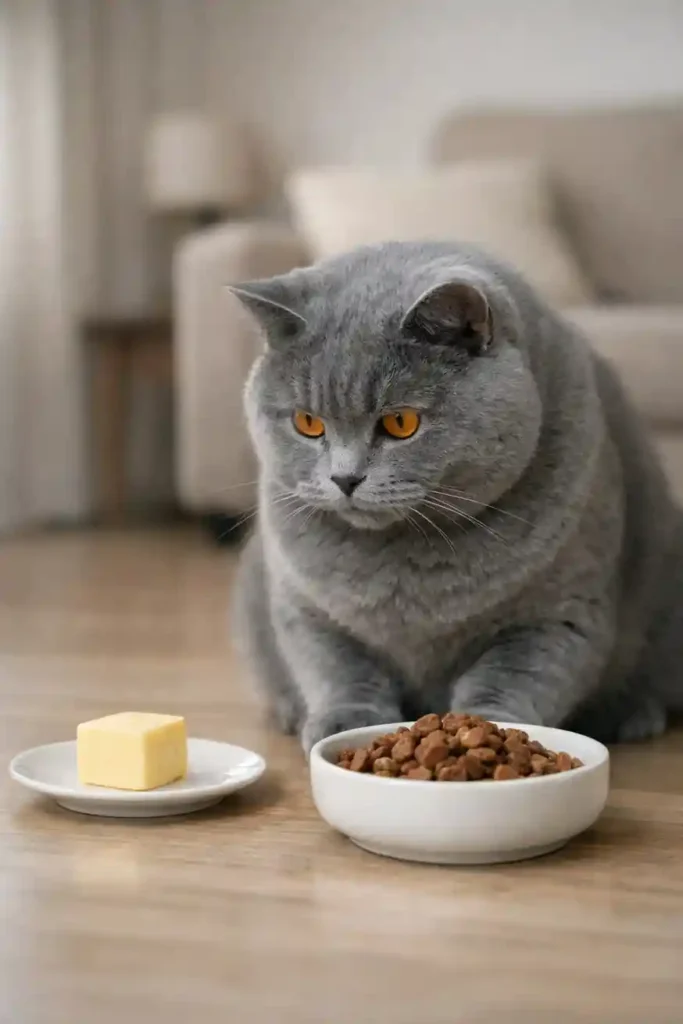
Butter is often cited as one of the home remedies, and I would like to make it very clear at the very start. Butter does not necessarily benefit cats health wise. Any perceived help is outdated belief, not supported by modern feline nutrition or veterinary guidance.
Old Hairball Belief
I often see butter suggested for hairballs based on old advice. The idea was that fat helps hair pass through digestion, but butter does not target hairballs effectively and can upset your cat’s stomach instead.
Constipation Misunderstanding
People believe that butter is a remedy to constipation. In practice, it does not correct hydration or fiber imbalance. Butter can make stool oily a bit, but it leaves the true cause aside and can cause diarrhea and dehydration.
No Nutritional Value
Butter lacks protein, vitamins and essential nutrients needed by cats though it contains fats. I do not consider empty calories as helpful either, especially as cats require particular nutrition to maintain weight and organs in top condition.
Better Veterinary Options
Safer alternatives can be used when cats require digestive aid. Veterinary hairball pastes, fluid, cat-food rich in fiber, and grooming practices are more effective, and there are no extra fat and digestive challenges.
Check Also: Pet Wellness Score and Daily Action Planner
Better Treat Choices For Cats
I would always suggest selecting delights that fit the way the body of cat is constructed to digest. Butter contributes to unneeded fat and digestive burdens, whereas alternatives aid energy, digestion, and health over time, without developing bad habits or health issues.
High-Protein Meat Treats
Cats are carnivores since they are designed to feed on animal protein. A small cooked chicken, turkey, or freeze-dried meat will make a natural flavor, required amino acids, and fullness without upsetting the digestive system or including harmful fillers.
Vet-Approved Cat Treats
Special commercial cat treats exist which are designed to suit the nutritional requirements of cats. With quality brands that are chosen as meat-first and low-carb, you will offer your cat a safe reward that will help to improve health, not harm it silently.
Fiber-Based Digestive Helpers
Small portions of plain pumpkin puree or veterinary hairball medication aid digestion and bowel movement. These are much better than butter as they directly meet the needs of the digestive both without filling the stomach with addictive fat.
Hydrating Food Additions
Hydration and digestion is assisted by low-sodium bone broth or moisture in wet food. Butter is a favorite cat food due to texture, and protein-rich, moist food meets that desire safely without damaging kidney and urinary health.
Check Also: Safe Treat Allowance Calculator
FAQs:
Can cats eat butter?
Butter is not a toxin, however, unsanitary and unhealthy to eat as food.
Is butter poisonous to cats?
Butter does not harm, and it leads to stomach upsets.
Why cats like butter?
Cats love the smell of butter with its great fat and feel good touch.
Can kittens eat butter?
Butter should be avoided because kittens have sensitive digestion and high fat.
Final Words:
Butter might appear not to be a danger, but what I want you to know is that your cat is not made to bear it. The accidental lick is not a threat by itself very often, but the constant exposure is a silent threat to the digestive system, weight gain, and future health. Among the simplest methods of protecting the well-being, vitality, and longevity of the cat is the choice of the food that meets its natural diet.
As a pet cat owner, you determine what you put in the bowl of your cat. By replacing butter with animal-free snacks rich in proteins and friendly to the environment, you help to improve digestion, immunity, and healthy habits.
3 thoughts on “Can Cats Eat Butter”