
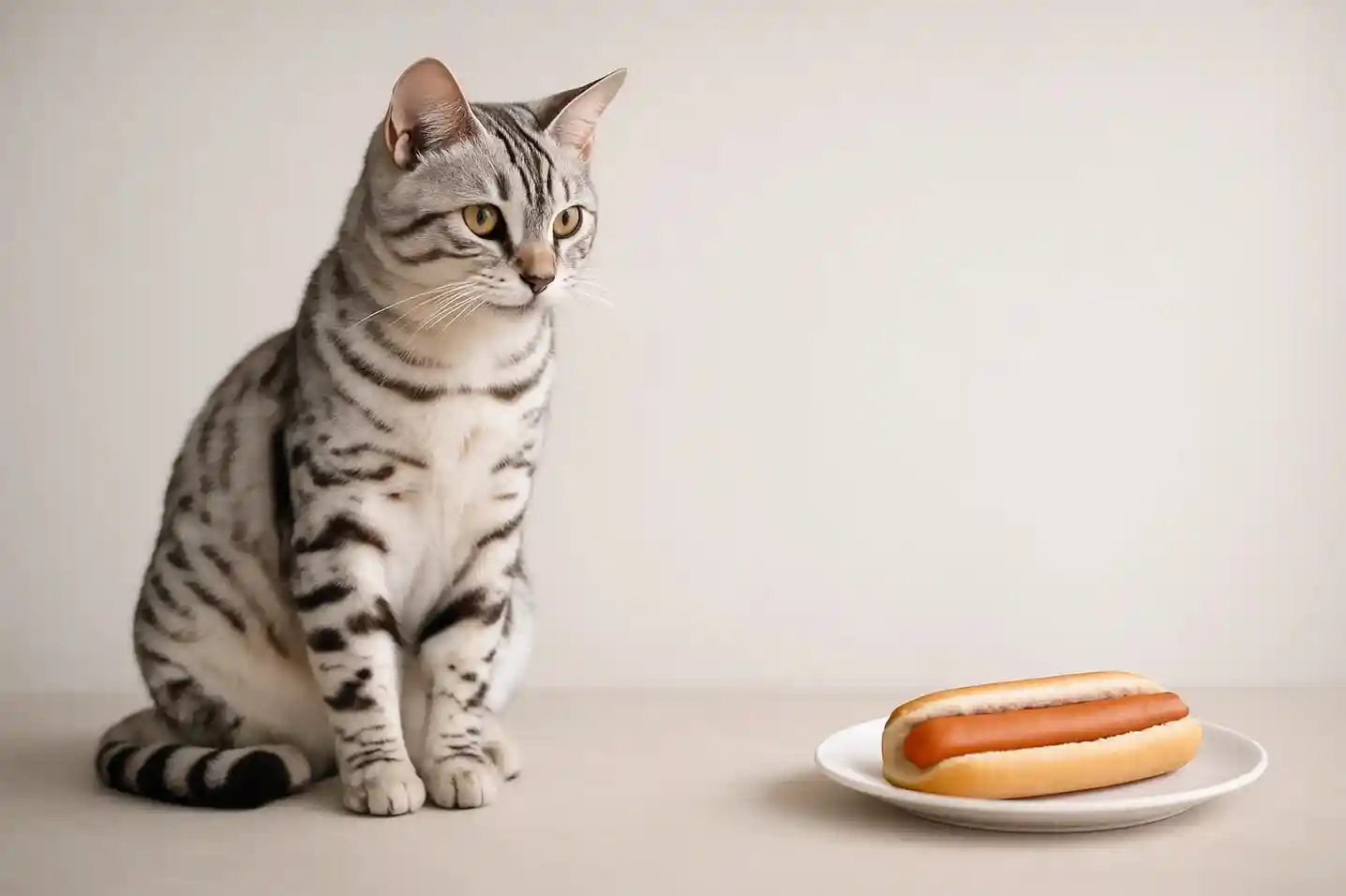
Can cats eat hot dogs safely?
I get why you ask. Cats are curious, hot dogs smell delicious, and sharing seems to be innocent. The facts are plain and straightforward: hot dogs are people food, and not cat food. They contain excessive salt, heavy processing, and additional additives that are of no actual value and may be damaging to the health of felines over time, silently.
My name is Dr. Elara Vance, and I write from clinical experience, not internet myths. I focus on practical, honest guidance you can actually use. My goal is to help you protect your cat’s health without fear, confusion, or unnecessary rules.
In this blog, I explain what hot dogs contain, how they affect cats, the real risks involved, safer alternatives, and when veterinary care becomes necessary.
Why Hot Dogs Don’t Fit Cat Nutrition
I explain this section because food quality matters more than quantity for cats. It is easy to think that hot dogs are meaty and that they contain enough nutrition to keep a cat healthy and balanced, yet their body is not.
Processed Meat Basics
Hot dogs are processed, fatty, full-of-filler meat products shot through with flavoring. This processing eliminates natural nutrients and substitutes them with substances created to maintain shelf life and taste, instead of the muscles, organs, and long-term health of the cat.
Poor Protein Quality
Cats require good animal protein to survive, not calories alone. Hot dog protein is diluted, altered, and often mixed with by-products. This lowers its biological value and makes it far less useful for maintaining lean muscle and energy in cats.
Read Also: Can Cats Eat Hard-Boiled Eggs
Excess Unneeded Calories
Hot dogs contain a lot of calories but lack nutrients for cats. These calories do not bring in essential amino acids, vitamins, and minerals, which may lead to weight gain, causing more obesity related problems in indoor and less active cats.
Missing Essential Nutrients
Taurine and certain fatty acids that are present in good meats are the nutrients that cats need. Hot dogs lack these in usable amounts. Feeding foods without these essentials can slowly impact heart health, vision, and overall vitality over time.
Check Also: Health Record Digital Organizer
Why Sodium Is Dangerous For Cats
Hot dogs contain far more salt than a cat’s body can safely handle. Small quantities can, over time,e put a strain on small organs. Cats are designeforth low-sodium diet,s and therefore salty foods knowingly raise health hazards without any nutritional value.
Kidney Stress
Cat kidneys are already overworked to produce waste, and excessive salt puts an extra strain on them. This strain may worsen the performance of a kidney in the long term, especially in old cats or kidney-sensitive cats.
Dehydration Risk
Sodium makes the body lose a lot of water, which makes cats drink too much water. It may also cause dehydration and consequently, lethargy, dry gums, loss of energy unless hydration is regulated.
Blood Pressure Issues
Excess salt may increase blood pressure in cats. Higher pressure strains the heart and blood vessels, raising the chances of developing cardiovascular problems in the long run that are usually not noticed until it is too late.
Sodium Toxicity Signs
Too much salt can cause vomiting, tremors, weakness, or confusion. The indicators may be rapid and cannot be overlooked at all since a sodium imbalance may become a medical emergency.
Pet Toxin Checker and First Aid Guide
What’s Inside Hot Dogs
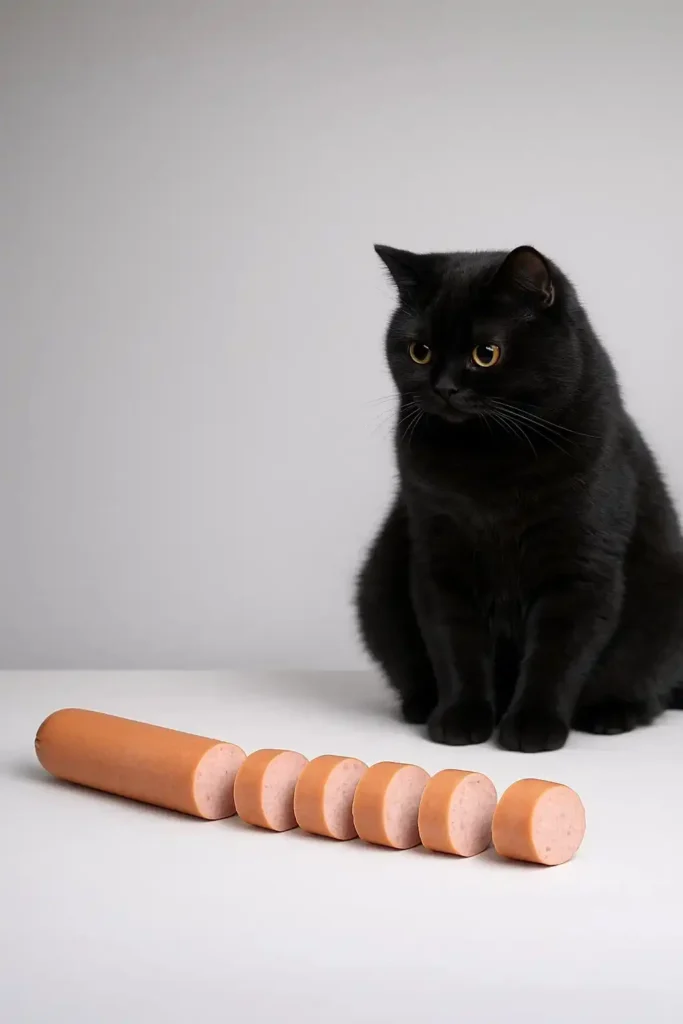
Hot dogs can be plain to the eye, but their ingredients tell otherwise. They are based on chemical preserving and flavoring to stay longer and taste better. These foods are not geared towards feline digestion and impose undue stress on the body of a cat.
Nitrates And Nitrites
These preservatives serve to preserve and maintain hot dogs. When ingested in large amounts or in sensitive cats, they can irritate the digestive tract in cats and can impair oxygen supply in the blood.
Artificial Flavor Enhancers
Taste additives are normally added into hot dogs to make them palatable. Cats do not require such additives, which may lead to stomach strain, vomiting or aversion to food, particularly those that have sensitive digestive systems.
Phosphates And Binders
Phosphates enhance texture and water retention. In cats, too much phosphates may, over time, put strain on the kidneys, leading to older cats or those with existing kidney issues to find these additives especially hazardous.
Smoke And Chemical Flavorings
Artificial smokes can be used to imitate grilled flavor without cooking. These chemicals may harm the stomach lining and the liver of a cat and are of no nutritional value, but pose a high risk of stomach upset.
Check Also: Food Label Analyzer (Dry Matter Basis) Calculator
Digestive Risks For Cats
Hot dogs are very processed foods which are not in line with the natural digestive system of a cat. Even small doses may disturb gut balance, irritate the stomach lining, and cause immediate discomfort, especially in cats with a fragile digestion or underlying health problems.
High Fat Load
Hot dogs contain condensed fats, which are not digestible by the cat’s digestive enzymes. It can slow down digestion, cause nausea, and lead to vomiting shortly after feeding and in cats unfamiliar with rich food.
Processed Meat Stress
Protein structure is changed by the processing techniques in hot dogs. Such proteins may be less broken down in the stomach of a cat, and instead, it is more likely to cause bloating, gas, and intestinal irritation when ingested.
Read Also: Can Cats Eat Butter
Sudden Diet Change
Cats are reliant on the eating pattern. Hot dogs When taken without prior preparation, these can shock the digestive system, causing loose stool or an initial lack of appetite as the gut adapts to its new product.
Sensitive Stomach Reactions
The cats with food allergies, inflammatory bowel diseases, or pancreatitis are highly vulnerable. Even a bit of a hot dog may cause long-term digestive upsets, discomfort, and behavioral changes associated with abdominal pain.
Check Also: Safe Treat Allowance Calculator
Plain Hot Dogs And Cats
Hot dogs that are simple with no toppings and sauce are still processed human food. They may seem to be harmless, yet they must not be given to a cat. I would keep on reminding you to avoid short term answers and look at the long-term health implication.
Small Amount Doesn’t Mean Safe
Even a small bite would not in any way make a sick cat immediately, but it would not be right. Hot dogs also have an overload of salt and preservatives that gradually overwork the kidneys and digestive system of a cat.
Plain Still Means Processed
The elimination of spices does not alter the fact that hot dogs are highly processed. Meat quality is poor, and additives are still present. I find that a lot of owners do not realise just how sensitive a cat is to processed foods.
Occasional Taste Vs. Habit
One accidental nibble is different from repeated feeding. Regular exposure increases health risks over time, especially for older cats. I always remind you that habits, not one-time events, shape long-term feline health.
Better Choices Exist
Plain cooked chicken or turkey is a wiser choice if you want to share food. These are a source of pure protein with no bad additives, so your cat feels included without losing health.
Check Also: Behavior Symptom-to-Resource Matcher
Swallowing And Chewing Risks
Hot dogs may look soft, but for cats, their texture creates real problems. Cats don’t chew thoroughly like humans. They tear and swallow. This makes certain human foods risky even in small portions.
Shape Matters
Hot dogs are round and smooth, and they could go down the throat of a cat very fast. Because cats gulp food in small chunks, bits can become stuck in your airway, causing you to choke without realizing that something has gone wrong.
Chewing Behavior
Cats do not grind food; they cut it with sharp teeth. Hot dogs do not dissolve, and bigger fragments can be swallowed in one piece. This increases the risk of gagging, coughing, or the short-lived impediment of breathing.
Read Also: Can Cats Eat Cilantro
Texture Expansion
Processed meat tends to puff when combined with saliva. In cats, this can cause ingested fragments to enlarge in the throat, leading to discomfort and retching or irritation of the esophagus soon after eating.
Panic Response
As the cat starts to choke, it becomes even worse due to panic. Rapid breathing, sudden movements, and stress can inhibit the natural clearing out of the airway, transforming a minor mistake with food into an immediate emergency.
Check Also: Pet Proofing Checklist Generator
Better Protein Choices For Cats
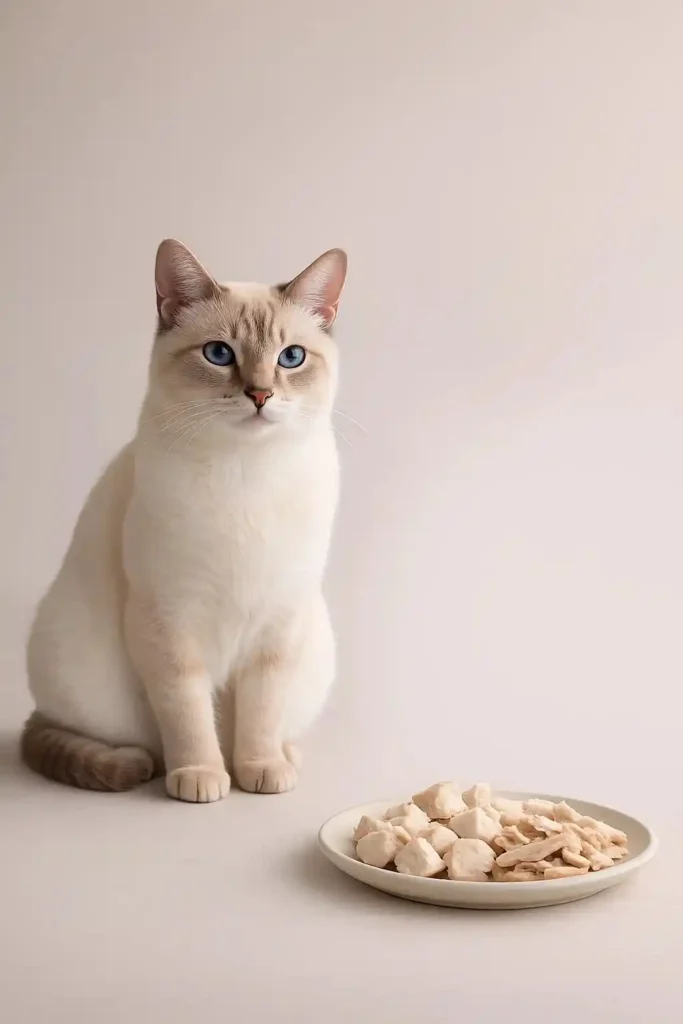
I always say this clearly: if you want to share food with your cat, choose options that match how a cat’s body is built. Real, simple animal protein supports muscles, digestion, and energy without unnecessary risks.
Plain Cooked Chicken
Plain chicken is among the safest cat proteins. It is a clean source of protein and essential amino acids, cooked with no salt, no oil, no seasoning. I will recommend that it be cut into small particles to prevent the risk of choking and to increase digestion.
Simple Cooked Turkey
Turkey protein has a similar nutrient composition but is slightly different than chicken protein. When it is cooked or baked in its pure state, it adds strength and health to the muscles. Avoid deli turkey since processed ones are full of salt and preservatives.
Boiled Lean Beef
Cooked and unseasoned lean beef may make a decent substitute in some instances. It is an iron and protein source, which enhances energy. I would advise on eating small portions only because beef is heavy and hard to digest compared to poultry.
Cooked Fish In Small Amounts
Cooked fish may be useful in small quantities. It also contains protein and omega fats, which promote coat and skin health. Always take off bones and do not feed frequently to avoid nutrient imbalances.
Check Also: Daily Pet Calorie Needs Calculator (RER/MER)
When To Contact A Veterinarian
I always say this first: most food slips don’t turn into emergencies. Still, knowing when to act protects your cat from small issues becoming serious problems. Rapid response will avoid complications, particularly post-salty, processed foods such as hot dogs.
Ongoing Vomiting Or Diarrhea
The digestive system not doing well when your cat keeps vomiting or has diarrhea that continues past a day. Cats and especially kittens and the old age may suffer dehydration and electrolyte imbalances and thus they require veterinary help.
Unusual Tiredness Or Weakness
When a cat all at once becomes very quiet, weak, or uninterested in food, it may be reacting poorly to excess sodium or additives. Low energy following consumption of human food cannot be ignored even when it is mild in other cases.
Excessive Thirst Or Urination
Fluid overloading or high frequency of urination can be a sign of salt overload or kidney overworking. Cats conceal pain effectively, and the fact that drinking habits have been changed should be assessed by a professional immediately.
Breathing Or Movement Issues
Shaking, falling, breathlessness or nonexistence of coordination must be promptly handled. These indicators can be a sodium imbalance or complications related to choking, both of which can develop rapidly without treatment.
Check Also: Pet Quality of Life (QoL) Assessment
FAQs:
Are hot dogs toxic?
Not toxic, but high salt and additives make them unsafe.
Can kittens eat hot dogs?
No, kittens are more sensitive to salt and digestion issues.
Is one bite safe?
A tiny bite likely won’t harm, but it offers no benefit.
Do plain hot dogs help?
Plain versions still contain excess sodium and preservatives.
Final Words:
Hot dogs are not suitable to cat diet. They are not bad, however, they are extremely high in salt, processing and additives that would not add any nutritional benefit to your cat. Frequently eating small quantities, without apparent distress, is taxing to the stomach, and to kidneys and health in general. The comfort of the long-term should never be sacrificed. When you care about whether hot dogs are safe, then you care enough to make a better choice.
Always keep it species-appropriate, use clean protein on social occasions, and monitor your cat regularly following any food mishap. Your decision is influencing their health daily, and they are trusting you to get it right.
2 thoughts on “Can Cats Eat Hot Dogs”