
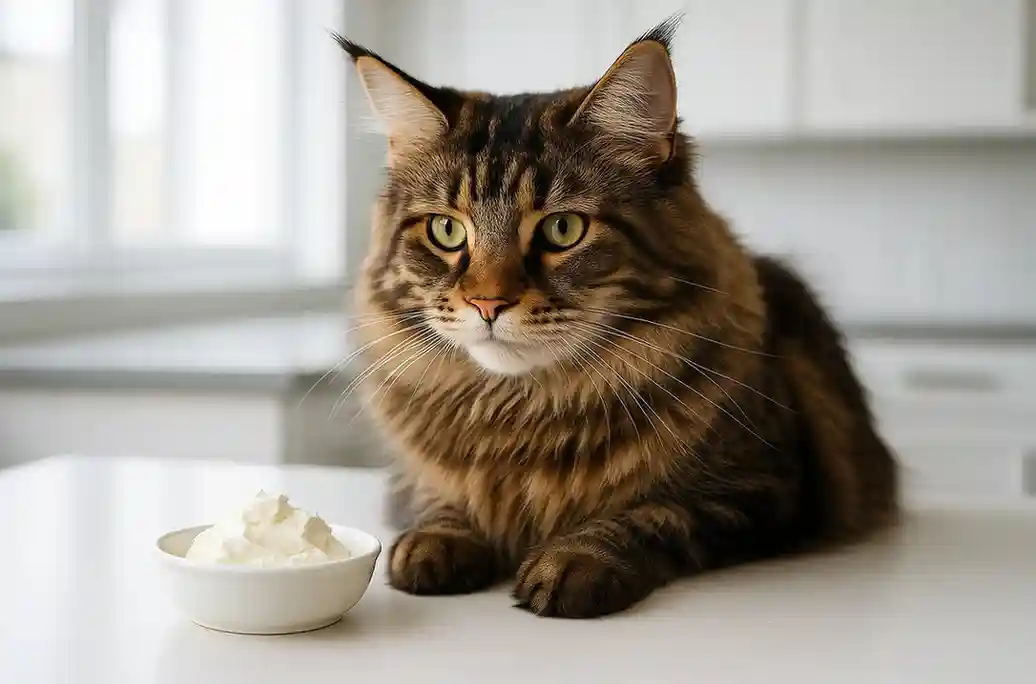
Is cream cheese safe to give cats?
I have witnessed lots of parents of pets give a small lick without even a second thought, yet not all creamy things go well with the cat digestive system. Cream cheese is not poisonous, but it tends to cause discomfort since most adult cats do not have dairy issues. Being aware of their body response will prevent stomach problems, unrecognized dangers and future health complications.
My name is Dr. Elara Vance, and I have years of nutrition research and practical pet behavior studies. I write to instruct you through clear and honest explanations. I want to make safe and confident decisions on your daily health about your cat.
In this blog, I discuss whether cream cheese is safe, the dangers of it, and healthier options and what to do in case your cat consumes too much of cheese.
Cream Cheese Safety For Cats
Cream cheese is not a poisonous item, and it is not the most appropriate thing to feed your cat. Small licks are not harmful; although, when fed frequently, it leads to problems.
Read Also: Can Cats Eat Pasta
Not Toxic
Cream cheese does not have anything that instantly kills your cat, so small licks are not usually a life threatening experience. The actual problem is the poor digestion of dairy by cats. Even seemingly harmless food can cause discomfort as their bodies do not have the enzymes to digest lactose.
Hard To Digest
Adult cats are lactose intolerant and cream cheese is particularly dense. The high fat and lactose mixture strain their digestive system. This may cause either bloating, soft stool, gas or vomiting later. Cats that are sensitive tend to respond more easily.
No Nutritional Value
Cream cheese will not be of use in the diet of your cat. Cats do not live on dairy or carbs but animal protein. Replacement of cream cheese with more useful nutrients that contribute towards muscle health, energy, and well-being. There is no need and it contains empty calories.
Risk With Quantity
A small tip on the finger may be acceptable, but bigger portions soon overload your cat. The greater they consume cream cheese, the greater the threat of digestive distress or chronic weight gain. Calorie-rich fatty human food can readily influence small bodies.
Check Also: Pet Proofing Checklist Generator
Why Cats Struggle With Dairy
Dairy does not go well with most adult cats as their bodies are not made to process lactose. Knowing how their digestive system will evolve with age allows you to defend your cat against stomach problems and unjustified pain.
Loss Of Lactase
Kittens have the enzyme lactase to digest the lactose in the milk of their mother. This enzyme reduces drastically as they age hence dairy is hard to digest. The change makes the majority of adult cats sensitive to cream cheese and other dairy products.
Digestive Sensitivity
The digestive system of a cat cannot digest dairy sugars, but animal protein. When lactose enters their gut, it is likely to ferment and produce gas, bloating and loose stool. Even morsel of cream cheese can upset their sensitive digestion.
Fat Overload
Cream cheese is rich in fats which cats are not able to handle well. The surplus of fats can overload their pancreas causing discomfort and even leading to inflammation. This renders dairy-heavy foods a particular danger in sensitive or older cats with slower digestion.
Read Also: Can Cats Eat Parsley
Hidden Additive Issues
Commercial cream cheese has stabilizers, salt and preservatives which cats do not digest easily. These added ingredients may aggravate the stomach of a cat, and cause indigestion or additional work on the organs, even without lactose as a problem.
Pet Age to Life Stage Calculator
Nutritional Breakdown Of Cream Cheese

Cream cheese is easy, but what you consume has an impact on your cat more than you may think. And knowing what is actually in it will make you see why cats react badly to it and why even small portions must remain rare.
High Fat Content
Cream cheese is also a source of fat that makes it soft and rich just like your cat likes. The issue is that cats are not able to work with heavy fats. Excess of it will overwork their pancreas and cause digestive problems and unnecessary weight gain.
Lactose Heavy
A lot of lactose is present in cream cheese and most adult cats have difficulty digesting it. The result of this lactose overload is bloating, gas, and loose stools. A little can be irritating to sensitive stomachs, particularly in cats with known digestion issues.
Added Salt
Although cream cheese is mild, it is more salty than your cat requires. The processing of sodium in feline bodies is different and thus, unwanted salt can have an impact on hydration and kidney functions. Frequent intake of salty food adds long term pressure to their internal systems.
Read Also: Can Cats Eat Pickles
Extra Additives
Cream cheese contains stabilizers and preservatives to keep the cheese smooth and spreadable, yet these are not feline-friendly. They may produce insidious digestive irritation and flavored forms may add unnatural elements elevating the dangers.
Check Also: Daily Pet Calorie Needs Calculator
Health Risks For Cats
Cream cheese can seem harmless, but it can simply get a cat out of shape. Even minimal doses may hurt, particularly in already dairy sensitive cats. Knowing these risks will allow you to prevent avoidable stomach problems and chronic conditions of illness.
Stomach Trouble
Stomach pain can also be caused by cream cheese as most adult cats do not digest lactose. One taste may result in gas, soft stool, bloating or vomiting. Sensitive cats respond faster, and dairy-based foods are not only unnecessary but dangerous to overall comfort.
High Fat Concerns
Cream cheese has fats that cats have difficulties digesting. The additional fat stresses their digestive tract, predisposing them to pancreatitis. Even a cursory overfeeding causes weight gain, diarrhea, and unwarranted inflammation of the digestive tract.
Sodium Strain
Salt in cream cheese may not seem too high to the human beings but the cat bodies do not process sodium in a similar way. The constant exposure overworks their kidneys and can worsen dehydration. Old or sensitive cats are particularly susceptible and salty human food is not the best alternative to cat safety.
Allergy Reactions
Some cats are sensitive to cream cheese dairy proteins. Such reactions can include skin irritation, GIT disorders, swollen faces or an evident behavior change. Mild allergies can develop quickly and to ensure the good health of your cat you must not make use of dairy based treats.
Check Also: Emergency Fund Target Calculator
Flavored Cream Cheese & Cats
A single bite of flavoured cream cheese can be dangerous. It is made much less safe by added ingredients such as herbs, spices, fruits, and seasonings. A lot of flavorings cause stomach issues or have toxic things in them to your cat.
Onion Mix
Cream cheese containing onion is harmful as onion ingredients destroy red blood cells of a cat. Even minimal dosages may cause weakness, vomiting or anemia. Cats cannot process these ingredients safely, and flavored spreads often hide onion powder or extracts.
Herb Blend
Herb cream cheese might seem harmless, yet most herbs poison the stomach of a cat. Chives, garlic blends, and mixed spices might cause digestive upsets or allergies. The cats are also sensitive systems and even snacking on a mild herb mixture is not safe.
Sweet Flavors
Cream cheese in fruit or dessert form adds additional sweetness and artificial ingredients. Cats do not require sugar and most of the sweeteners put strain on digestion. Artificial colors, preservatives, or flavor syrups are found in some of the spreads and this does not help and exposes the risk of stomach upsets.
Spicy Types
The varieties of spicy cream cheese are such that a cat would scald its mouth, swell the throat, or inflame the bowels. Cats are not supposed to consume such foods as pepper, chili, hot spices. Any small accident bite can lead to pain or illness.
Check Also: Pet Symptom Tracker & Triage Guide
Safe Amounts Of Cream Cheese For Cats
A little cream cheese won’t break your cat, but portion control absolutely matters. This section helps you understand how much is actually safe and why even small servings can become a problem for your cat’s digestion and long-term health.
Tiny Portions Only
Your cat must never be offered more than a teaspoon of cream cheese. Their digestive system is not programmed towards rich and heavy dairy so even a small lick is enough. More than that would lead to stomach upsets or unwarranted calories.
Not A Routine Treat
Cream cheese should not always be a reward even when your cat is pleading. The constant meals add up to fat and lactose in their system causing bloating, discomfort and slow digestion. Handle it as an infrequent anomaly and not a feeding routine.
Avoid Larger Bites
Do not give spoonfuls, chunks or mixed-in portions. Cats do not digest dairy effectively, and larger amounts cause digestive discomfort easily. Bigger bites stuff their stomach, elevate the fats intake at an excessively rapid rate and the risk of vomiting or diarrhea.
Don’t Give Kittens Any
Kittens are particularly sensitive to dairy since their digestive enzymes are still changing following weaning. A single bit of cream cheese will disturb their system. Their stomachs are much quicker to react than adults and dairy is an entirely unsafe option at this point.
Check Also: Pet-Friendly Plant Checker
Better Alternatives For Cats
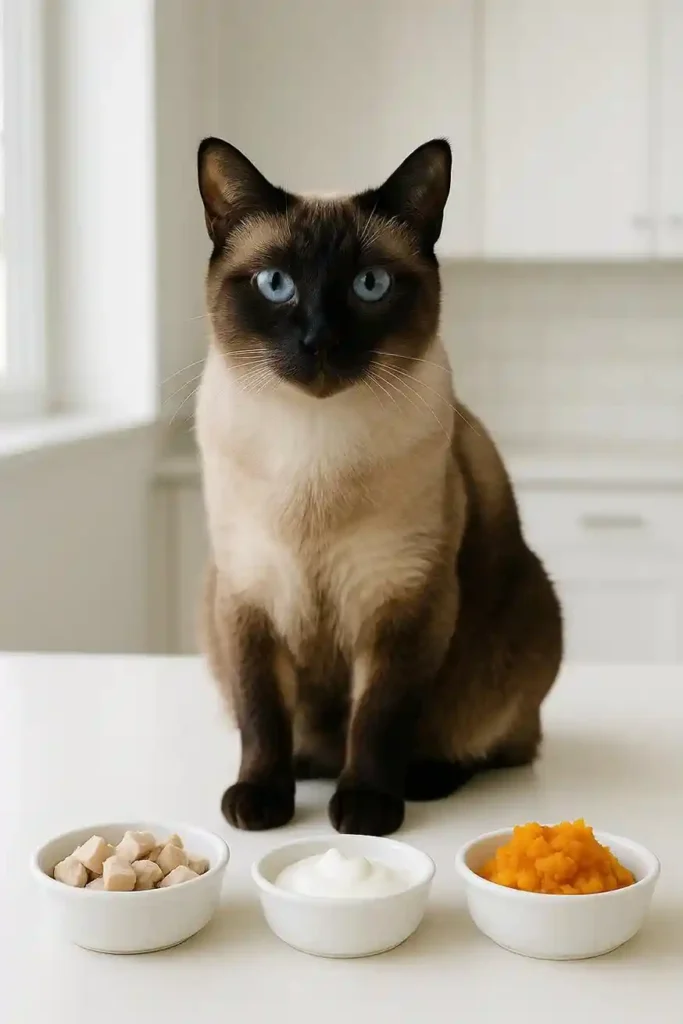
Your cat might demand cream cheese but safer and healthier alternatives can be offered that will not upset your stomach. These options suit your cat digestively, are more nutritious and still bring their curiosity to soft, tasty feel.
Pumpkin Purée
Plain pumpkin paste is a fantastic creamy delight to cats. It assists in digestion, supplies soft fibers and does not hurt sensitive stomachs. Make sure it is pure pumpkin and no sugar and spices. Even a spoonful can be good and calming to stomach troubles.
Cat-Friendly Broth
Cat-safe broth is not fatted or dairy-based and it is delicious. It replenishes, soothes, and provides simple nutrients in a light form. Apply animal broth, which is un-salted. The cat can be wetched with a half-dozen sips of some warm and meaty stuff.
Creamy Cat Snacks
Soft, lickable food that cats are supposed to eat comes in many brands. These purees are like creamy and lactose and harmful components free. They are ideal with finicky eaters, or hiding medications, or reward training.
Cooked Chicken Bits
Shredded chicken is soft, cooked, and offers cats a protein-enriched reward that is part of their natural diet. It is easy, easy to digest and much superior to cream cheese. No butter, no seasoning, it was plain chicken. A little bit provides tasting without straining their stomach and weight.
Check Also: Food Label Analyzer (DMB) Calculator
When Your Cat Eats Too Much
You can direct the situation even when your cat has more cream cheese than you have intended. Some discomfort is usual, and understanding what to watch and how to react, you will be able to keep your cat out of needless stress or digestive issues.
Watch Their Stomach
The slight digestive issues your cat may have when it over eats cream cheese are gas, bloating or loose stools. One is likely to see the results within a few hours. Monitor their behavior, diet and toilet patterns to be able to notice their improvement or deterioration.
Offer Fresh Water
Cream cheese will dry or make your cat sick in the stomach, and so it is a good idea to keep it hydrated. Always have clean water and do not give any snacks or fatty food on the same. Hydration makes digestion easier and assists your cat in overcoming fatty or lactose-rich snacks.
Skip Extra Treats
Do not provide extra snacks or table food in the next 24 hours. Their digestive system requires a rest against heavy, rich, or foreign food. Only eat what they normally eat, and maintain normal meal size so as not to overwhelm their already sensitive stomach in the course of recovery.
Call Your Vet
Visit your veterinarian in case such symptoms as vomiting, diarrhea, or apparent discomfort persist longer than a day. A reaction to fat or lactose can be shown by constant problems. In good time instructions will keep your cat out of dehydration or pancreatitis.
Check Also: Crate/Habitat Size Calculator
FAQs:
Can cats eat cream cheese?
Not so much, but the majority of cats have stomach upsets later.
Is cream cheese healthy?
No, it contains fat and lactose which cats cannot digest.
Can kittens eat cream cheese?
Never. Kitten stomachs are very sensitive and can be dairy sensitive.
Is flavored cream cheese safe?
No. Spices, sugars or onions added can hurt or poison cats.
Final Words:
Cream cheese can be harmless on your plate, however, your cat does not digest dairy or heavy fats as well as you would do. Accidental lick is not a crisis but when it becomes a habit, it may cause stomach complications, unnecessary calories and chronic digestive pressure. Knowing your cats system implies that you can avoid problems even before they happen.
Your cat believes in you to make safe choices, and not to eat cream cheese is an easy step to keep them healthy. Keep trying cat-friendly foods, monitor their response to new food, and not wait to appear.
2 thoughts on “Can Cats Eat Cream Cheese”