
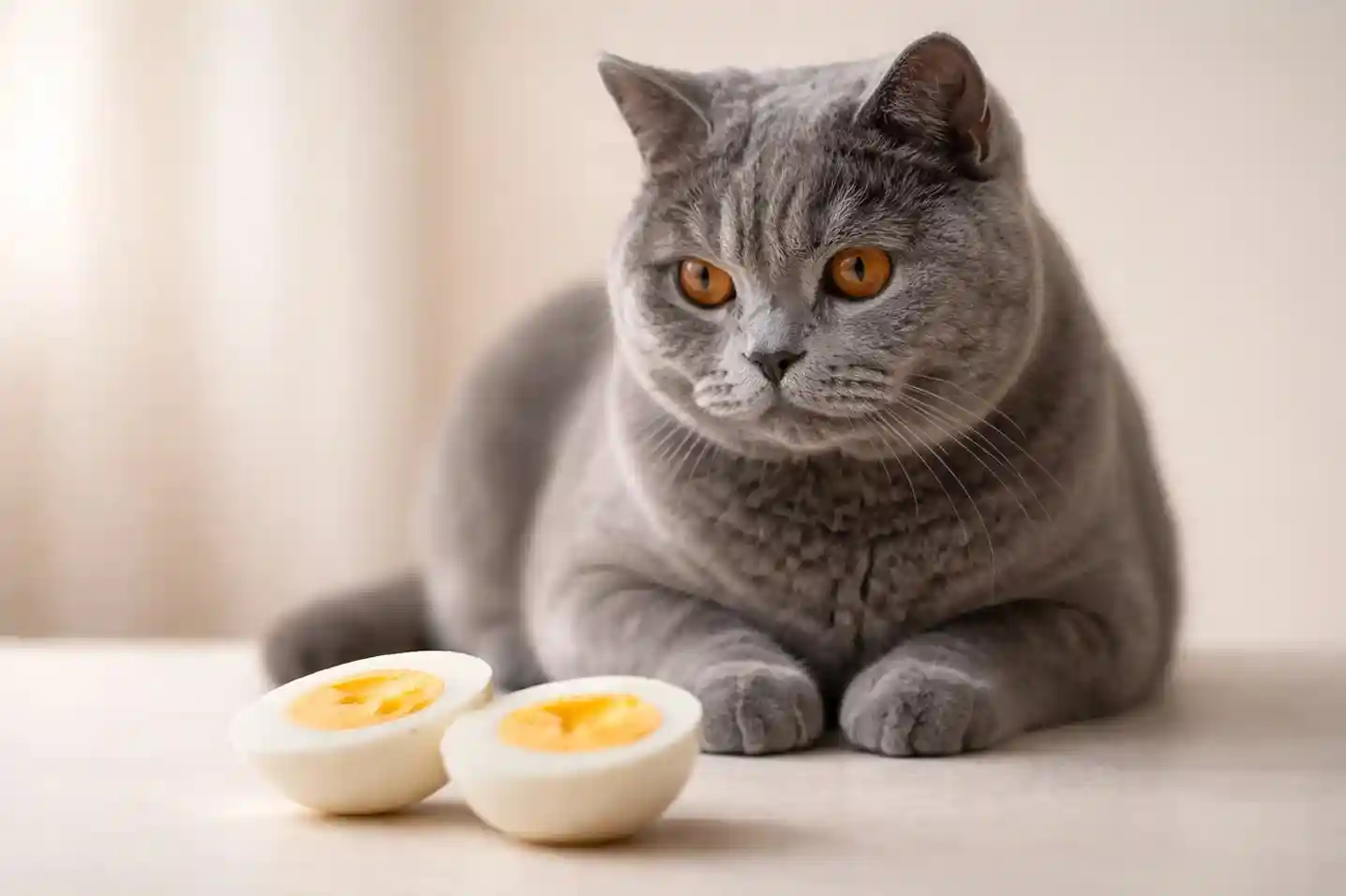
Do cats like hard-boiled eggs?
Personally, I would regard small amounts of completely cooked plain eggs as safe. They are available in digestible protein and good, necessary nutrients, but are not complete in fulfilling the nutritional needs of cats. As a supplement to a well-balanced cat diet, they can be used periodically and not to substitute it when they are not seasoned.
My name is Dr. Elara Vance, and I write with a clinical yet practical approach. I focus on real feline biology, not trends. I explain what helps cats, what doesn’t, and how everyday foods fit responsibly into a cat’s diet.
In this blog, I explain safety, digestion, age-related concerns, portion control, mixing with food, and better alternatives so you can make confident, informed feeding decisions.
Veterinarian Views On Eggs
I often see confusion around professional advice, so clarity matters here. Majority of veterinarians consider eggs optional but not compulsory foodstuff. Eggs can be safely included in the diet of a cat when cooked and divided into portions; they do not have to replace complete meals.
General Veterinary Consensus
I find that most veterinarians agree eggs are safe when fully cooked and served occasionally. They emphasize moderation, plain preparation, and careful observation, especially for cats with sensitive digestion or existing medical conditions.
Situations Vets May Allow Eggs
I notice veterinarians may allow eggs for cats needing extra protein, temporary appetite stimulation, or mild weight support. Eggs are used short-term, always alongside balanced cat food, not as a long-term dietary solution.
When Vets Say No to Eggs
I see vets dissuading eggs in cats with pancreatitis, kidney issues, obesity, or food allergies. Even minor dietary modifications in such cases can deteriorate symptoms and disrupt medically regulated nutrition diets.
Importance Of Individual Health
I emphasize the fact that veterinary guidance relies on a specific cat. The food itself is not as important as age, weight, health history, and the current diet, and individual advice is a component of safe feeding choices.
Check Also: Pet Wellness Score and Daily Action Planner
Eggs For Underweight Cats
I see many underweight cats struggle with low appetite and muscle loss. Hard-boiled eggs can offer gentle protein support when used carefully. They are not a cure, but they can assist weight recovery alongside complete, balanced cat food.
Extra Protein Support
I describe that hard-boiled eggs are a good source of animal protein that aids in repairing muscles. In the case of underweight cats, this protein may assist in retaining lean mass as you strive to enhance the total calorie intake by means of proper feline diets.
Appetite Encouragement
I notice some cats eat better when food smells familiar and mild. Even a little of smashed egg may persuade the slow feeders. This will make you add calories to your cat without pushing huge meals or stressful eating schedules.
Limits For Weight Gain
I never forget to remind you that eggs are not high-calorie to gain actual weight. They are also taurine and equal fats, so just using them alone would not ensure that your cat gains healthy weight, since recovery may be slow.
Safe Feeding Approach
I recommend mixing tiny portions of egg into regular cat food once or twice weekly. This method supports nutrition without replacing essential meals, helping you assist gradual, safer weight improvement under veterinary guidance.
Universal Pet Body Condition Score (BCS) Index
Egg Digestion In Cats
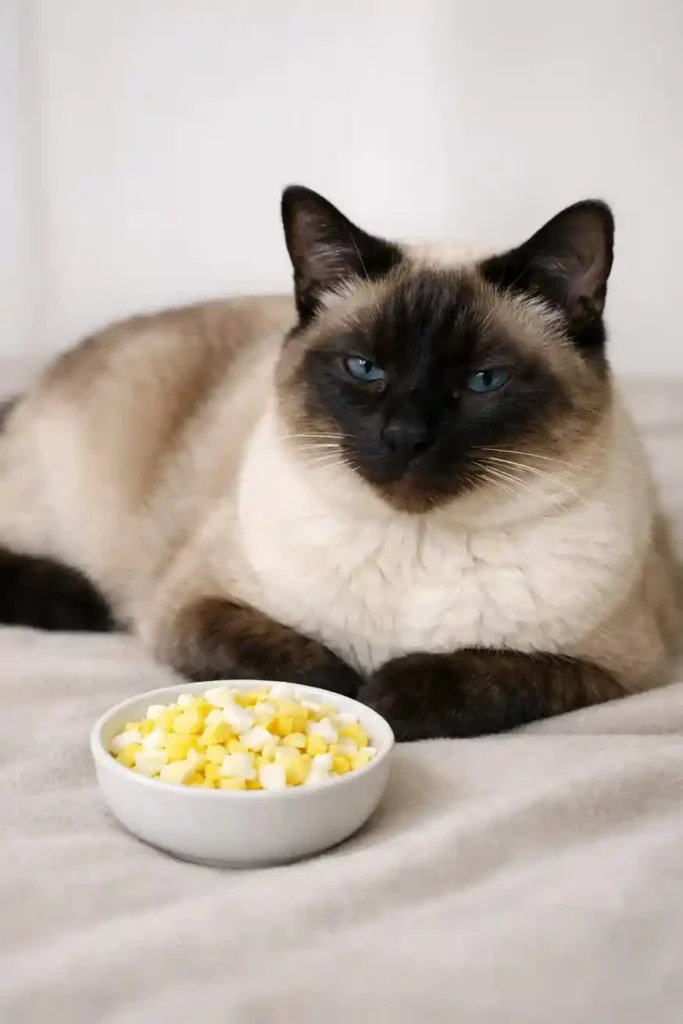
Hard-boiled eggs, when given in small amounts, are usually easy on the stomach of a healthy cat. Proteins are broken down by cooking, also making them easier to digest. But digestion varies with size of portions, with preparation, and with individual sensitivity of your cat.
Protein Breakdown
I describe how cooking converts egg proteins to simpler forms. This will enable your cat’s digestive enzymes to perform effectively, putting less strain on stomach and the bowel when eggs are prepared in moderate quantities.
Fat Processing
I observe that egg yolks have average fat. This is fine in most healthy cats, although large quantities can overwork digestion, resulting in loose stool or nausea, particularly in cats who are not accustomed to fatty food.
Portion Sensitivity
I underline that a small portion of food can be better digested. Not even edible foods can discomfort when overfed. Eggs are to be taken in teaspoonful portions, so that your cat can easily digest them.
Individual Tolerance
It is a reminder that every cat has another digestion. Age, health conditions, and history of diet all affect tolerance. When you eat eggs, you should be advised to check on your cat to see how easy it is digesting.
Check Also: Daily Pet Calorie Needs Calculator (RER/MER)
Hard-Boiled Eggs For Senior Cats
Nutritional tolerance in cats changes with age. When portions are small and preparation simple, I watch many an aged cat take hard-boiled eggs in hand. The trick lies in sustaining aging bodies without causing digestive and metabolic stress.
Easier Chewing Texture
Older cats are usually not able to keep their teeth or gums. I also discover that finely chopped or mashed hard-boiled eggs are easier to swallow and chew, as opposed to causing eating pain, yet they still form a soft source of animal protein.
Slower Digestion Matters
Food is not digested rapidly by older cats as compared to newer cats. I do not recommend excessive doses of eggs as a lot of protein or fats at once overloads the digestive system, to cause loose stools, nausea, or temporary loss of appetite.
Kidney Health Considerations
Most of the older cats lose their renal efficiency. I always warn that eggs contain additional protein that might not be appropriate to cats with kidney disease. In these cases, you should only offer eggs with direct veterinary guidance.
Portion & Frequency Control
In older cats, I would recommend eggs once a week or less. By adding a teaspoon to regular food, I can prevent the imbalance of nutrients and provide variety. Regularity and uniformity are better than regular candies in the long run.
Check Also: Pet Age to Life Stage Calculator
Egg Shells & Cats
I also frequently get confused about eggshells and cat food. Egg shells are not safe when fed to cats at home, although they contain calcium. The risk to your cat is far outweighed by the texture, limits to digestion, and the danger of contamination.
Read Also: Can Cats Eat Cilantro
Choking & Injury Risk
I need to emphasize that egg shells are cut in sharp pieces. These objects may irritate the cat mouth, throat, or stomach lining. Finely crushed shells, even, can result in internal discomfort or choking, particularly in the fast-eating cats.
Poor Digestibility
I clarify to readers that cats are not able to digest egg shells properly. This form of calcium is not absorbed uniformly across the gut and is of little use. Instead, it may lead to constipation, stomach upsets or unnecessary strain in the digestive system.
Bacterial Contamination
I point out that egg shells may harbour dangerous bacteria on the egg surface. Boeiled shells are also a source of contamination. Cats are the most vulnerable of food-borne disease due to the sensitive digestive systems.
Read Also: Can Cats Eat Butter
Calcium Imbalance Concerns
I continue to remind you that excessive calcium can result in mineral imbalance in cats. Calcium in excess may alter phosphorus absorption and bone and kidney conditions, especially among kittens and older cats.
Check Also: Pet Toxin Checker and First Aid Guide
Eggs & Cat Cholesterol
I always hear a fear of cholesterol when eggs are brought up, so I decided to take this topic up first. When eaten in moderation and in proper quantities, hard-boiled eggs are not always a problem of cholesterol to the healthy cat.
Cats Process Fats Differently
I describe that cats are strict carnivores and their metabolism is adjusted to animal fats. They also have a better cholesterol metabolism of dietary cholesterol than human beings, and reasonable intake of eggs may not disturb normal lipid levels.
Portion Size Matters Most
I emphasize that cholesterol issues are more related to overfeeding than food choice. Small egg portions given occasionally avoid excess fat intake and help prevent unnecessary strain on a cat’s metabolic system.
When Cholesterol Becomes A Concern
I observe that cats with obesity, pancreatitis, or metabolic disorders may respond differently. In such instances, egg in small quantities can lead to fat imbalance and must be avoided unless a veterinarian permits it.
Eggs Are Not A Daily Food
I want to remind you that eggs are snacks, not foods. The daily feeding adds to the fat percentage and decreases the balance of the nutrition, which, with time, can harm the overall health and not only that of cholesterol.
Check Also: Food Label Analyzer (Dry Matter Basis) Calculator
Mixing Hard-Boiled Eggs With Cat Food
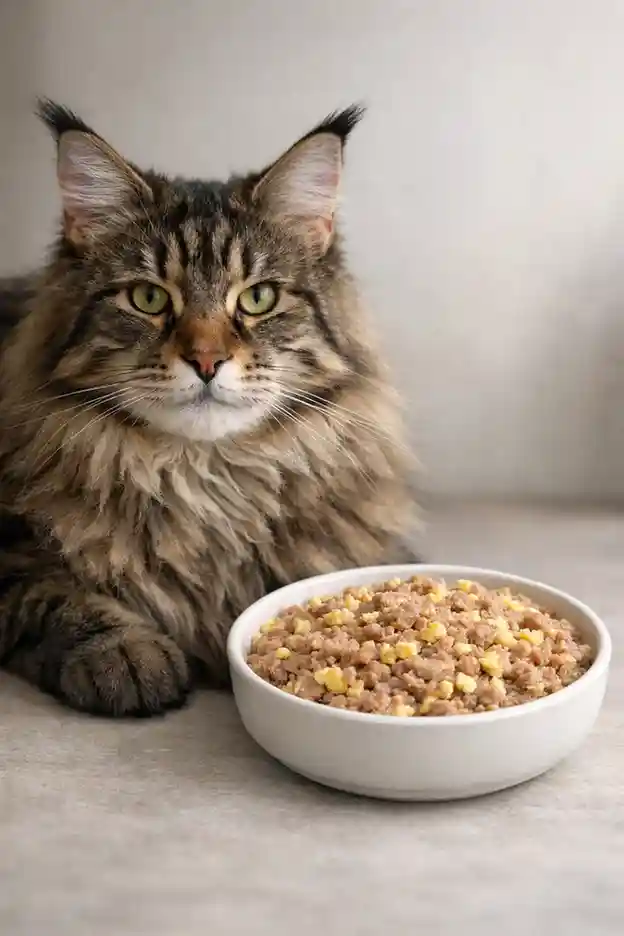
Personally, I find it safe to mix hard-boiled eggs with cat food and serve. Even a small dosage (mixed into normal food) is better to accept and reduces the risk of choking and avoid nutritional imbalance, but keep the routine and predictability of your cat.
Improves Acceptance
I see many cats accept eggs more readily when mixed with familiar food. Blending reduces food rejection, avoids sudden texture changes, and helps your cat view eggs as a minor addition rather than a replacement meal.
Supports Balanced Nutrition
I emphasize that eggs do not contain taurine or essential minerals. Adding them with full cat food, this will ensure that your cat receives all the nutrients it requires, besides receiving added protein without creating gaps in the diet.
Reduces Choking Risk
I recommend finely chopping or mashing eggs before mixing. This prevents large pieces, supports easier swallowing, and helps cats that eat quickly or have dental sensitivity avoid gagging or discomfort.
Controls Portion Size
I prefer mixing because it limits overfeeding. Small amounts spread through food prevent excess protein or fat intake and keep eggs an occasional enhancer, not a dominant part of your cat’s diet.
Check Also: Pet Food Transition Plan Generator
Better Protein Options For Cats
I never recommend eggs since cats do not do well on what has not been designed to suit their bodies. Hard-boiled eggs can be safe in certain circumstances, but sometimes other alternatives offer fuller nutrition, increased taurine, and safer long-term results when used properly.
Plain Cooked Chicken
The closest natural protein sources of cats include cooked chicken. It is simple to digest, is full of vital amino acids, and inherently tasting good. When served plain and boneless, it supports muscle health better than eggs.
Plain Cooked Turkey
Turkey provides lean protein with slightly higher taurine content than eggs. I use it on cats that require a tender change without digestive disturbance. It must be completely cooked and unseasoned and served in small, shredded amounts.
High-Quality Wet Cat Food
Wet cat food is set to meet the entire nutritional requirement. It has balanced protein, taurine, moisture, and nutritional vitamins. I suggest it as the main source of protein intake instead of using human foods, such as eggs.
Freeze-Dried Meat Treats
Frozen meat snacks contain concentrated animal protein with no additives. They are easy, storeable, and more nutritionally similar to natural prey. They can be safely used as an enrichment to cooked eggs when used sparingly.
Check Also: Safe Treat Allowance Calculator
FAQs:
Are hard-boiled eggs safe?
Yes, when well cooked, plain, and served sometimes in little quantities.
Can kittens eat eggs?
Then only in small portions, and never instead of kitten food.
Are raw eggs harmful?
Yes, raw eggs raise bacterial risk and impede key nutrient absorption.
How often can cats eat eggs?
One or twice a week or so to prevent digestive and nutritional imbalance.
Final Words:
A cat can still consume hard boiled eggs as a supplement to the diet, but you should be a supplemental addition, not a deficient subtraction. My priorities are always on maintenance of safety, preparation, portion control, and frequency. Proteins such as unseasoned, fully cooked eggs are not disruptive to balanced feline nutrition when consumed in small amounts.
The point is how you utilize the information. Now you know when eggs are useful, when they are not, and what is a better alternative. When you give priority to the all cat food, you will watch the reaction of the cat, and you will avoid feeding the cat too much, as informed feeding is good care.
1 thought on “Can Cats Eat Hard-Boiled Eggs”