
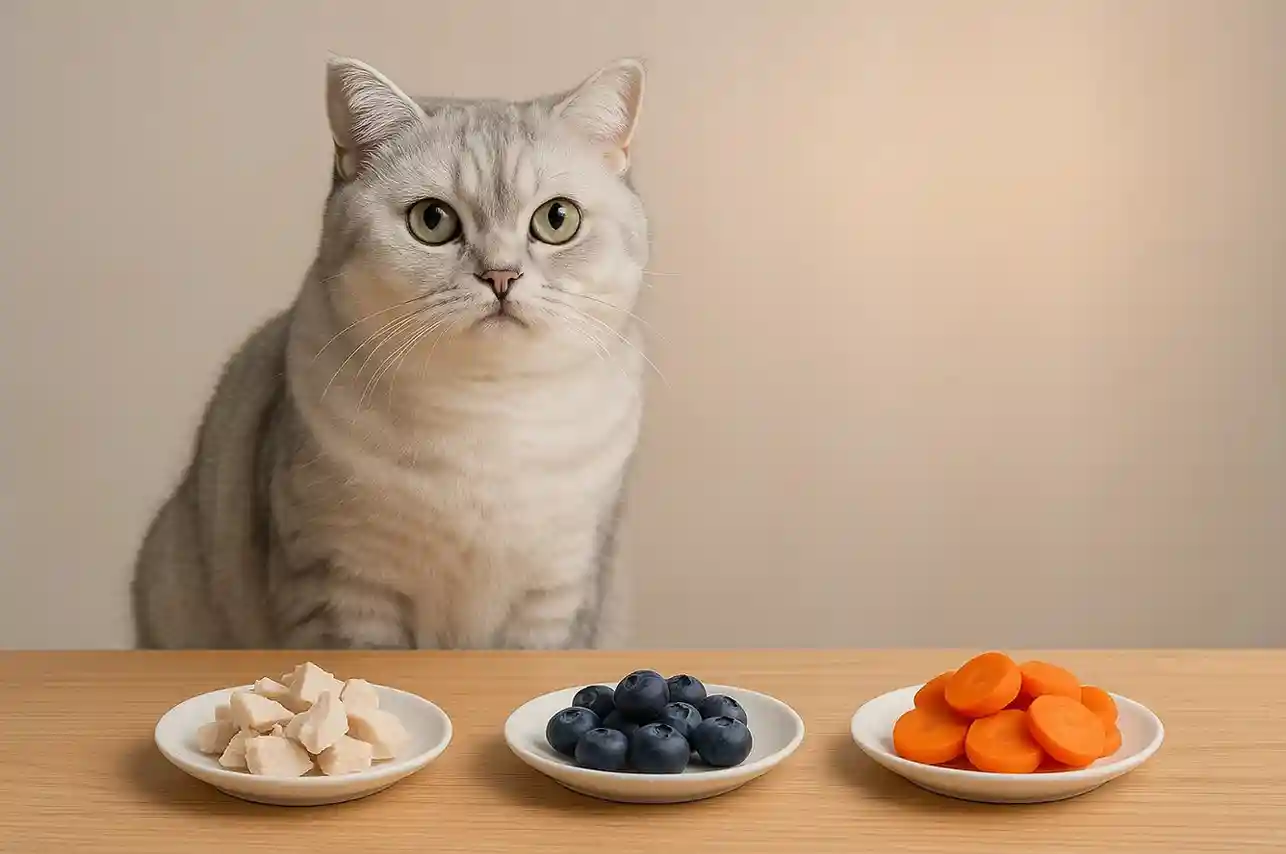
What is safe that your cat can eat but cat food?
This is among the most prevalent concerns of cat owners who are really interested in promoting the health of their pet as a veterinarian. Several individuals give out foods without having the knowledge of what can be digested or helped by the body of a cat thus causing confusion and unintentional errors. I came to make it easy, straightforward, and founded in true cat food.
My name is Dr. Elara Vance, a U.S. veterinarian with many years of experience in treating cats and giving them tips on beneficial nutrition. I have observed what is effective, what is hurtful, and what actually can enhance the daily health of a cat. My goal is to help you understand their needs safely.
In this blog, I guide you through safe foods, dangerous foods, and smart feeding habits so you make confident choices. You’ll know exactly what supports your cat best.
What Your Cat’s Body Really Needs
Cats have nutrients their bodies have developed to consume. Once you know these fundamental needs, then you can provide safer food options and prevent foods that are counteracting their natural biology.
Protein First
Cats depend on animal protein because it feeds their body muscles, organs and immunities. Amino acids present in meat are absorbed fast and are required in their everyday health. Without strong protein sources, cats weaken fast and struggle to maintain stable energy and overall wellness.
Read Also: Can Cats Eat Cream Cheese
Taurine Needed
Taurine maintains the heart, eyes and the reproductive system of a cat. Cats will not produce taurine and thus must supply it through animal tissue. Low taurine levels lead to heart issues and eye problems that often develop silently before owners notice any visible symptoms.
Fats Matter
Animal fats provide cats with consistent energy, healthy skin and shiny fur. The digestive system of animals cannot digest plant oils of a heavy nature. Using the wrong fat sources creates digestive stress and increases the chances of unnecessary weight gain.
Read Also: Can Cats Eat Bell Peppers
Low Carbs
Cats aren’t wired to digest heavy carbohydrates. Their system works best on small amounts of plant ingredients. Too much carbs result to weight gain, imbalanced blood sugar and chronic intestinal stress. With low-carb content, your cat is lean, active and naturally balanced.
Daily Pet Calorie Needs Calculator
Best Safe Meats For Cats
In case you would like to feed your cat human food, cooked meats are the safest and most natural. These proteins suit the biological requirements of a cat, maintain energy, and stabilize digestion with simple, spice-free and in measured amounts.
Read Also: Can Cats Eat Pasta
Chicken
Chicken provides lean protein to your cat which aids muscles, energy, and activity. Cook it every time without salt or spices, take off the skin, and cut it into little pieces. It is easy to the stomach and ideal to support sensitive or healing cats.
Turkey
Turkey is good because cats can still have the richer taste but still reap the benefits of protein. Cook and take off the skin, fat, and bones. Cats find it simple to chew and digest with its soft texture without unnecessary stomach irritation.
Beef
Beef is a rich source of nutrients that cats is known to thrive on given in moderation. Use lean cuts, roast, and remove all the fat that is on the surface. Its tastier quality tends to attract picky eaters whilst maintaining general strength and body health.
Eggs
Eggs are also a good protein boost that cats like when cooked. Essential amino acids in scrambled or boiled eggs promote the quality of the coat or immune function. Never use raw eggs, they can bring bacteria that will make your cat feel sick.
Check Also: Food Label Analyzer (DMB) Calculator
Fish Choices For Cats
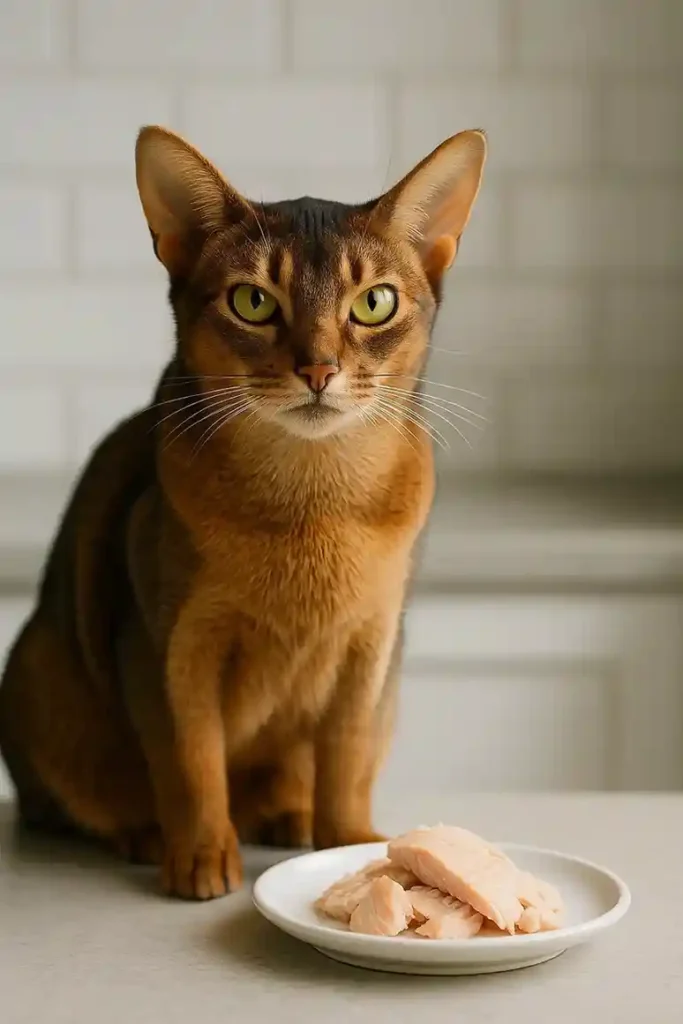
Fish is a nice snack to your cat but should be properly introduced to avoid any nutritional problems. Cats love the taste, but fish should never substitute regular meals since they do not contain essential nutrients they require daily.
Cooked Fresh Fish
When serving sea food, cooked fresh fish is the safest. Cooking removes dangerous bacteria and keeps digestible protein cats like. Never leave bones as they may splinter or even choke. Eat small and plain portions without oils, spices, and seasoning to guard your cat stomach.
Canned Tuna In Water
Tuna in water cans are an occasional indulgence but must never become a daily routine. Tuna also contains mercury, and regular consumption may have consequences over time. Eat a small, untasting forkfuls of low sodium to prevent digestive complications or imbalance of nutrients.
Avoid Fish In Oil
Oiled fish can appeal to your cat, but it is dangerous. Oily fish leads to stomach upset, diarrhea and unnecessary calories leading to weight gain. The heavy oils also put strain on the pancreas of your cat, so plain cooked fish over-all is much safer and cleaner.
No Raw Fish
Raw fish has bacteria and enzymes that interfere with key nutrients that your cat needs. Raw seafood can lead to deficiency of thiamine leading to neurological problems. Cooking the whole fish does not hurt your cat, and will help him to enjoy seafood without the needless risk and complications.
Check Also: Pet Proofing Checklist Generator
Dairy & Your Cat’s Stomach
A lot of cats find dairy difficult to digest due to changes in the body after kittenhood. Although dairy seems safe, it is easy to cause stomach problems. Knowing what to keep safe will ensure that you keep your cat safe and responsible in providing tiny treats.
Lactose Troubles
Most adult cats do not digest lactose, and constant dairy causes stomach upsets and dirty litter box problems. They lack the enzyme to digest sugars in milk, and the conventional milk is thus a hazardous one to the sensitive or adult cats.
Safer Dairy Choices
Other dairy products have lower amounts of lactose that is softer on the stomach of a cat. Plain small portions of yogurt, small portions of hard cheese or low-lactose may be consumed. These options should be minimized and untapped.
Foods To Avoid
Cats are unable to digest sugars, flavours and fats present in some dairy products resulting to rapid digestive upsets. Ice cream, sweet yogurt, whipped cream, and standard cow milk are always bloating, gaseous, and cause diarrhea and are unsafe in almost all cats.
Portion Control
Even safe dairy must stay extremely limited for your cat’s protection. Serve small test portions and observe carefully in response. When your cat becomes miserable, stop entirely. Responsible serving sizes reduce risks and keep their digestive health stable.
Check Also: Pet Food Transition Plan Generator
Safe Fruits For Cats
Certain fruits may provide mild hydration and minor nutritional advantages to your cat, served properly. These alternatives must remain infrequent and well planned to prevent UTI or accidental ingestion of seeds, pits or extraneous sugars.
Watermelon
Watermelon can be used to cool down cats upon serving without seeds and in tiny pieces. It is also hydrating, and mildly stomach acting. Always remove the rind to prevent choking or digestive problems, and make in small portions as a light, infrequent snack.
Blueberries
Cats are generally safe with blueberries and weak antioxidants. They are low-calorie, soft and easy to chew. Eat them raw and cut them into pieces to prevent choking. Cats do not need the sweetness and eating too much at once may overburden their digestive system.
Cantaloupe
Some cats surprisingly like cantaloupe because it smells good, not because it is good to eat. The soft articles are digestible and hydrating. Cut out the stiff outer cover and seeds then serve. Limit the quantity always to avoid sugar uptake needlessly in the long run.
Banana
Bananas are safe in very small amounts because they’re dense and sugary. A thin slice is enough for a cat-sized serving. Mash or cut into small pieces for easier chewing. Do not give it frequently as the sugar may cause weight problems.
Check Also: Safe Treat Allowance Calculator
Safe Vegetables For Cats
Vegetables can be used to digest your cat and you feed them in small amounts and with soft fiber. They are not a nutritional requirement but can bring variety and soft benefits with the right preparation and using small and soft amounts.
Soft Cooked Carrots
Cooked carrots are tender, a bit sweet, and cats can work with soft carrots. They provide beneficial fiber and water, and are not heavy to the stomach. They should never be seasoned but boiled or steamed, and cut into small, cat-sized pieces.
Plain Pumpkin
Pumpkin is among the safest foods to cats as it aids in the digestion process and make the stool soft. Unseasoned raw and plain pumpkin, in small portions. It can relieve light stomach aches and provide your cat with a healthy fiber boost.
Mild Green Beans
Green beans are non-fat, moisturizing and harmless to cook until soft. They can assist in weight management by giving bulk but not too many calories. They are always to be steamed, removed, and cut in small, chewable portions to serve.
Soft Zucchini
Zucchini is mild to the digestive system of a cat and has beneficial water. Cook it in a steam or boil, till soft, and cut into small portions. This vegetable is capable of supplying light fiber and not stuffing your cat’s stomach or exposing it to unnecessary digestion.
Check Also: Annual Pet Budget Planner
Foods Your Cat Must Never Eat
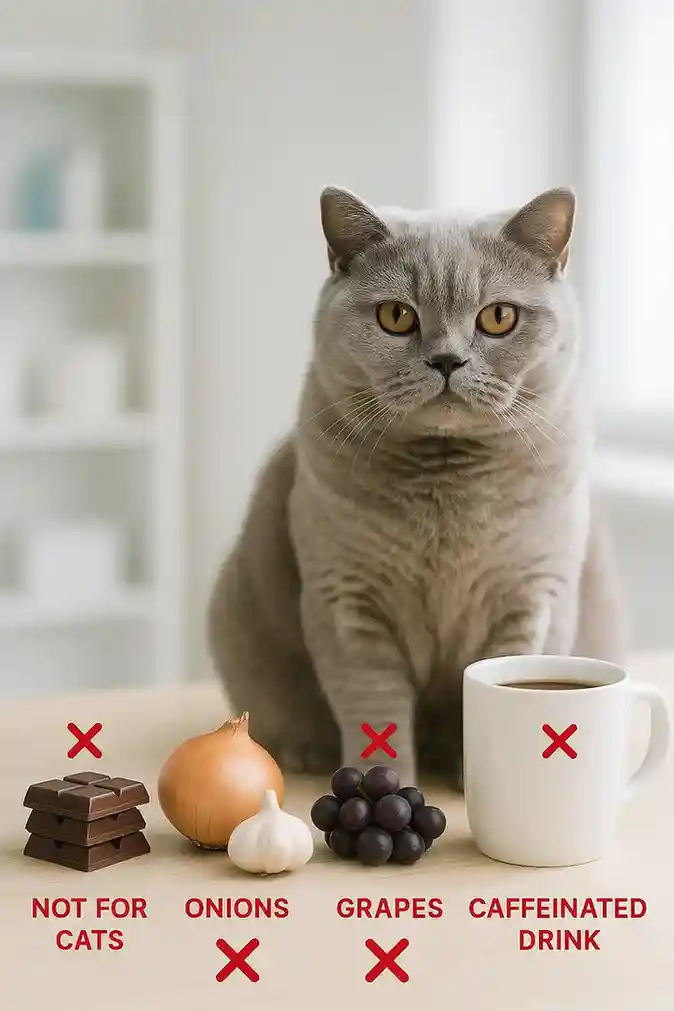
Foods that seem harmless in daily life, can severely damage the heart, stomach or nervous system of your cat. Even the slightest dose may cause acute reactions, chronic problems, or emergency cases. These foods should remain well out of the menu of your cat.
Toxic Sweets
Candy, chocolate and products containing xylitol have life threatening effects on cats. These substances influence heart, brain and sugar, which develop sudden intensive crisis. Your cat can lick even a small amount and become dangerous within seconds.
Harmful Drinks
Caffeine, alcohol, and energy drinks are extremely dangerous to cats. These materials cannot get digested in their body, and they shake, vomit, get seizures or heart problems. Any little spill on a table or the floor can put the life of curious cats in danger.
Dangerous Household Foods
Onions, leaks, chives and garlic gradually destroy red blood cells in cats. They can be found in many cooked foods, soups and seasonings and inadvertent exposure is high. A small bite may result in weakness, pale gums, or anemia that needs immediate attention.
Unsafe Human Snacks
Salty chips, processed meat, fried foods clog the system of a cat with fats, sodium, and additives. These snacks can bring irritation to the stomach, dehydration or pancreatitis. Cats can neither digest these heavy foods and even as a rare delicacy, they are not safe.
Check Also: Pet Toxin Checker and First Aid Guide
Introducing New Foods Safely
In feeding your cat anything not in his regular food, take it in small and gradual actions to safeguard his digestion. The mild method helps to avoid stomach revolts, allergies, and avoidable stress. Fed attentively, your cat can experience the best of new dishes with no danger to his future health or comfort.
Tiny Portions
Begin with very tiny portions so that the cat can acclimatize to it. Their stomach will not be overloaded with a tip of a finger. Cats are also sensitive to the changes in diets and this small dose does not result in vomiting, diarrhea and discomfort and you can safely test their response to new foods.
Check Reactions
Watch your cat when he is trying a new food. Watch such signs as itching, swelling, vomiting, loose stools or unusual behavior. Cats conceal pain quite effectively, making it much easier to notice issues in time and prevent feeding a cat before a mild response turns severe.
One Food Only
Only introduce one item per week. Combining foods leaves you unable to discover which food your cat dislikes. One food at a time is a slow method, and the surefst way to be sure of what helps their digestion and what causes sensitive reactions, with more predictable and safer results.
Small & Rare
Human foods must be a luxury. Even harmless things may become problematic with excessive use. Limit food portions to little and infrequent to ensure that your cat does not experience any digestive issues, though still providing them with the nice variety and slight enrichment of their diet.
Check Also: Health Record Digital Organizer
FAQs:
Can cats eat eggs?
Yes, small, and infrequent portions of fully cooked eggs are safe.
Is cheese safe sometimes?
Tiny portions are the only ones that are safe as most cats do not digest lactose.
Can cats eat fruit?
Yes, but just soft, cat-safe fruits, in very small portions.
Is cooked chicken safe?
Yes, even uncooked season-less bone-free chicken is safe.
Final Words:
It is not necessary to be confusing or risky when feeding your cat something other than cat food. Knowing which foods are safe, which ones are unsafe, how to introduce all that step by step, you can make your cat healthy and safe. Every choice that you make will affect their future happiness and energy levels, and even minor adjustments will enable them to be happier and more energetic.
With such guidance, you will know the needs of your cat in a much better manner. You will understand what their body requires, what to avoid and how to choose what isn’t harmful to their natural biology.
2 thoughts on “What Can Cats Eat Besides Cat Food”